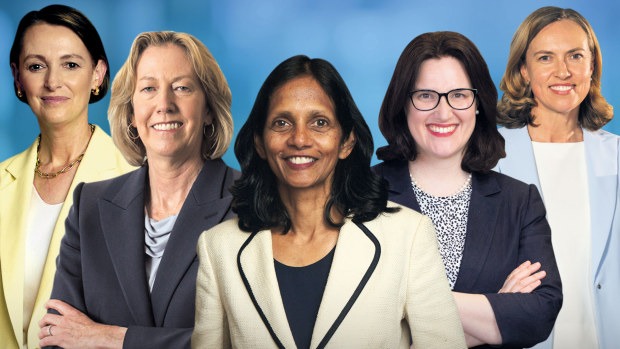
Australia has changed a lot in the corporate sector in the last ten years. There are more women at the top of companies. Female chief executives are not only in the spotlight but now also shaping the conversation, energy, finance, retail and infrastructure across the country while charting strategy and driving growth. By running businesses globally and helping enterprises navigate difficult economic times, these leaders are changing what it means to lead in Australia today.
Meg O’Neill, the chief executive of Woodside Energy, and other top women who run some of Australia’s largest companies are at the forefront of this shift. They have implications that go beyond just making money — they influence culture, governance and a company’s ability to endure over time.
The Rise of Female CEOs in Australia
For a long time, men controlled most of Australia’s top leadership posts, especially in mining, energy, and finance. There are still issues, but progress has been steady. Investors are paying more attention to culture and governance, and boards are starting to realise how crucial it is to have a diverse leadership team.
Today, in Australia, women are in charge of companies at periods of transition, including as costs go up, technology changes, and employee expectations change. They not only affect their own businesses, but they also affect whole industries by helping to shape policy discussions and industry standards.
This new type of leader doesn’t use as many symbols. Instead, what makes them stand out is their performance, resilience, and clear strategic direction.
Meg O’Neill: Leading Australia’s Energy Giant
Meg O’Neill is clearly one of the most important female CEOs in the US. She runs Woodside Energy, which is the largest oil and gas firm in Australia. This is one of the most difficult and closely scrutinised sections of the economy.
As CEO, O’Neill has strived to achieve a balance between protecting the environment and making sure that energy is safe. Under her leadership, Woodside has made prudent investments in capital and promised to cut emissions and create long-term wealth. She has long stated that the energy transition needs to be managed cautiously, ensuring that there is a constant supply while lower-carbon solutions become more common.
Woodside has become a reliable player in the global energy industry thanks to its technical skills and expertise in dealing with individuals from all around the world. O’Neill has become a key person in Australia’s energy discussion, which is much more essential. He affects what the government, corporations, and people in general think about the future of the sector.
Shemara Wikramanayake: Redefining Global Finance Leadership
Another extremely prominent individual is Shemara Wikramanayake, who is the CEO of Macquarie Group. Because of her advice, Macquarie is now known across the world as a major player in finance, especially when it comes to investing in sustainable energy and infrastructure.
Wikramanayake is acknowledged to be good at thinking about the future and managing risks. She has guided Macquarie through turbulent global markets and helped the company thrive in the area of sustainable finance. Her effect is seen all over the world; it changes how money is spent on energy and infrastructure projects.
Her achievement has also made people reconsider conventional beliefs about who can run big, complicated, risky banks around the world.
Amanda Bardwell: Shaping the Future of Energy Retail
Amanda Bardwell, the CEO of EnergyAustralia, is now a powerful and important leader in Australia’s retail energy industry. She has helped the corporation make substantial changes to meet the requirements of new customers, deal with increased energy bills, and move toward greener energy.
Bardwell’s key goals as a leader have been to make energy products easy to understand, gain customers’ trust, and speed up investments in renewable energy. Her influence illustrates that leading with a focus on the client is becoming increasingly crucial in areas that are generally hard to understand.
By redefining how Australians deal with energy firms, she has helped bring an important portion of the company up to date.
Jayne Hrdlicka: Transforming Travel and Infrastructure
Jayne Hrdlicka, the chief executive of Virgin Australia, has been trying to address issues that have long bedeviled the aviation industry. She took over as C.E.O. when the company was in turnaround mode, and worked to cut costs, instill better operational discipline and win back the confidence of employees and consumers.
Hrdlicka is the real thumper though, because she can shift the culture, for once keeping an eye on business. Virgin Australia is a stronger and more competitive organisation in a difficult industry, thanks to her guidance.
When she speaks about the economy and transport in Australia people listen because she has worked at the both coal face of those fields.
Leah Weckert: Driving Digital Transformation in Banking
Leah Weckert is the CEO of Coles Group in the business sector. Sorry, Leah Weckert is the CEO of Coles Group. Coles Group is a retailer, not a bank, and she is the CEO. Let’s modify the words so they fit.
Leah Weckert, the CEO of Coles Group, is another example of a strong leader. She has run one of Australia’s biggest retailers despite challenges with the supply chain, increased costs, and changes in how customers act. As a boss, she cares about efficiency, openness, and giving customers what they want.
Weckert has a lot of leverage over labor strategy and sustainability because Coles is a key part of job stability and food security in the US.
Why Female CEO Influence Matters
There are a few major reasons why more women are becoming CEOs in Australia. First, it helps people at the top levels make decisions by offering them more options. Diverse leadership teams are more likely to think about long-term risks, employee well-being, and stakeholder trust, in addition to financial success.
Second, it’s easier to attract talent when there are clear female leaders. When women control significant companies, it sends a strong message to future leaders that success is achievable in any profession, even those that are generally run by men.
Finally, these CEOs have an effect on how companies handle social and environmental issues, such as climate change and flexible work schedules.
Challenges Still Remain
There are still not many women CEOs in Australia, even if things have gotten better. Things like unconscious bias, institutional impediments, and unequal access to top jobs are still slowing down the rate of change.
Many female CEOs have been extremely honest about how hard it is to manage with more attention and demands. People want them to do very well and be good role models since they are famous.
To keep things moving forward, the board will need to keep supporting them. There will need to be clear plans for who will take over when the current leader leaves, and the workplace will need to be inviting.
The Future of Female Leadership in Australia
Australia will likely see more female CEOs in the years to come. Leadership skills such as the ability to change, work with others and plan ahead are becoming increasingly important as industries from banking and energy to retail and transportation evolve.
Meg O’Neill and friends won the Story Slam to show that gender does not matter when it comes to being an excellent leader, rather strategy, cutting through execution, honesty. They will shape corporate Australia for decades to come.
Conclusion
Not only are Australia’s most powerful female CEOs tearing down boundaries, but they are also altering what it means to be a leader. These leaders are making huge changes in the economy. For example, Meg O’Neill is working on the energy transition, while Shemara Wikramanayake is having an effect on banking around the world.
Their success shows how crucial it is for a leader to include everyone and set a good example for the future generation. As more women move up to higher positions in Australian businesses, the leadership will be better, the ideas will be more diverse, and the growth will be more stable.