
Woodside Energy’s CEO Meg O’Neill’s expanding power and her strategic partnership with global oil giant BP have caused much debate within Australia’s energy business community over recent weeks. This change – related to her expanding power – has generated much discussion around its future prospects and impact for our energy infrastructure in Australia.
Changes in leadership in the energy industry aren’t unusual, but this one stands out. It reveals deeper factors at work within it – like switching to cleaner energy sources, shifting global investment patterns and finding an equilibrium between conventional oil & gas and low carbon energies – altering it significantly and its implications extend well beyond one corporation for Australia, where energy exports play such an essential part of economic prosperity.
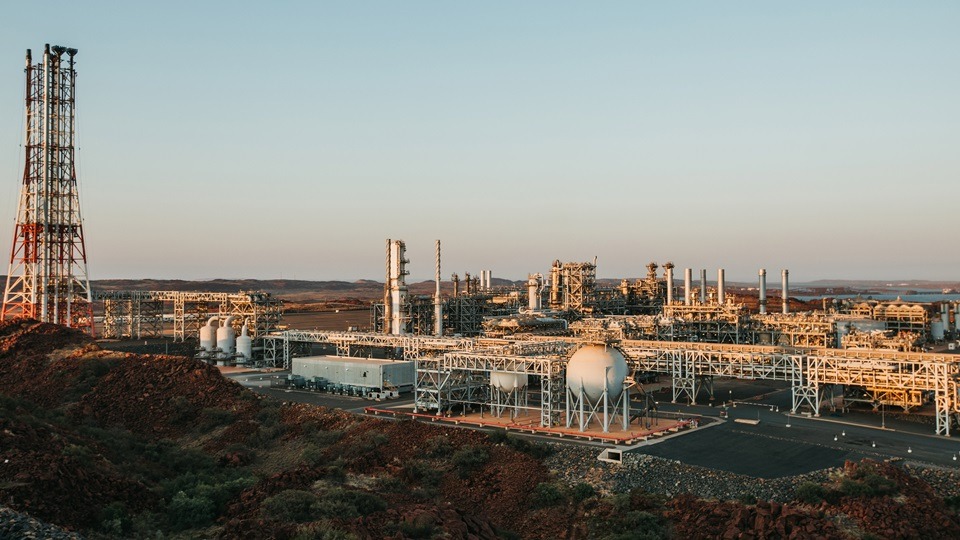
Meg O’Neill’s Role at Woodside Energy
Meg O’Neill has emerged as a powerhouse within Australia’s energy industry since her appointment at Woodside Energy, leading it through times of great scrutiny and change while being widely respected for her extensive technical knowledge and global experience. She’s known for having made significant strides at leading her firm despite such challenges.
Woodside quickly rose to become Australia’s largest oil and gas producer under O’Neill, while she pledged greater rigor with capital expenditure and emissions reduction plans. Many found his leadership style effective, since his focus was more on long-term value creation, safety, and operational success rather than short-term market responses.
She has grown increasingly powerful not only within Woodside but in the global energy industry at large; thus any changes affecting her role or relationships with major international firms is of critical significance.
The BP Connection: Why It Matters
BP is one of the world’s premier oil firms and their strategic choices are often an indicator of where energy leadership should move in a sector. Meg O’Neill’s connections to BP – whether through leadership movement, strategic alignment or industry cooperation – demonstrate just that.
Australia’s energy industry benefits greatly from this relationship as BP’s portfolio shift towards projects with less carbon emissions has an effect on how Australian oil corporations approach global change. If Woodside and BP executives or strategies share similarities it could influence how Australian corporations respond globally.
This news illustrates that Australian energy leaders no longer function independently; rather, their work has now become interwoven with global financial flows, carbon goals and international policy expectations.
What the CEO Shakeup Signals for Woodside
Changes in leadership often signal that an organization has come to a strategic turning point, yet Woodside Energy remains focused on making money off oil and gas assets while being prepared for an energy future in which cleaner energy sources with lower emissions become paramount.
Meg O’Neill has directed Woodside Energy towards steady supply, disciplined investments and gradual transition rather than sudden transformation. Recent events support her vision that Woodside presents itself as an international competitive source capable of meeting current energy requirements while meeting future demand as it arises.
Management may elect to keep things as they currently stand, ensuring large projects, especially ones related to LNG, remain on schedule.
Implications for Australia’s Oil and Gas Industry
Australia is one of the leading exporters of LNG worldwide and Woodside plays an essential role. Changes at its top can have far reaching implications across an industry like this one.
Australia’s oil and gas industry is playing an increasing role in global energy security despite renewable energies’ expansion, while leaders increasingly recognize gas’ role as an energy secure transition fuel as technologies with lower emission levels advance.
Meg O’Neill has provided further evidence to substantiate Australia’s resource industry as an agent for decreasing carbon intensity without jeopardising economic strength.
Energy Transition: Balancing Growth and Sustainability
One of the challenges associated with energy leadership these days lies in striking a balance between economic development and environmental responsibility. Under O’Neill’s direction, Woodside has undertaken steps to reduce emission intensity while investing money into solutions producing less carbon – while still advocating hydrocarbon production as one way of meeting world demand for fuels.
BP provides an example of large oil firms finding this balance: rather than choosing between renewables and fossil fuels, executives at these businesses focus on diversification as a strategy to maximize existing assets while investing in greener technologies simultaneously.
This kind of thinking might alter how governments, investors and communities in Australia view the energy industry’s future.
Investor and Market Response
Markets typically respond carefully when there is uncertainty over who will lead, yet in this instance investors appear more comfortable; many regard Meg O’Neill as trustworthy and experienced leader, and strategic partnerships between BP and other large corporations like hers as good indicators of future success.
Investors have increasingly become concerned with governance, emissions strategy and capital discipline as a source of returns. A clear leadership direction can go a long way to maintaining people’s trust – particularly important when operating costly industries such as energy.
Current circumstances indicate that Woodside’s leadership approach aims to meet their long-term initiatives while meeting immediate goals.
What This Means for Energy Workers and Communities
Changes in leadership at big energy corporations can have profound ramifications on workers and communities alike. Workers require stability and clear direction as this sector evolves with emerging technology and regulations.
Meg O’Neill has always stressed the importance of prioritizing safety, personnel capacity and community participation when discussing energy projects as employment or investment options in regions across America. By giving more attention to these aspects, workers and communities in regions that rely heavily on these projects could feel safer when engaging with energy projects for work or investment opportunities.
Australia’s energy industry is changing significantly and no longer represents significant employment and export revenue for Australia.
Australia’s Position in the Global Energy Landscape
Woodside and BP demonstrate how Australia plays an essential role in global energy supply networks. As global politics increasingly prioritizes energy security, reliable providers become ever more essential.
Australia’s energy leaders have managed to establish Australia as a reliable partner with solutions both old and new energy solutions, such as Meg O’Neill. Meg’s leadership can have an enormous impact on global perception.
Australia can have an influential voice in global energy discussions rather than simply reacting to them. This event proves it.
Challenges Ahead for the Sector
Energy firms continue to face numerous hurdles and difficulties related to regulatory uncertainty, environmental stewardship and fluctuations in global prices.
As Australia strives to navigate these challenging waters, having strong leadership and concrete strategies are crucial in order to overcome any difficulties we encounter. Decisions we make now could have significant ramifications on investments, project approvals, energy mix decisions over many years to come.
Recent CEO changes show how closely leadership decisions impact long-term industry results.
Conclusion: A Defining Moment for Australia’s Energy Sector
Woodside Energy’s change of leadership and Meg O’Neill’s efforts to stay abreast with global energy trends is an event of historic proportions for Australia’s energy industry, signalling change within and preparing for an emission-reduced future.
Woodside remains committed to rigorous execution and global relevance as two of its core aims, communicating to Australia the following message: energy leadership is crucial to its economic development, energy security and long-term health.
How Australia strikes this balance will have an enormous impact, not only on individual company profitability but also its place within the international energy marketplace.