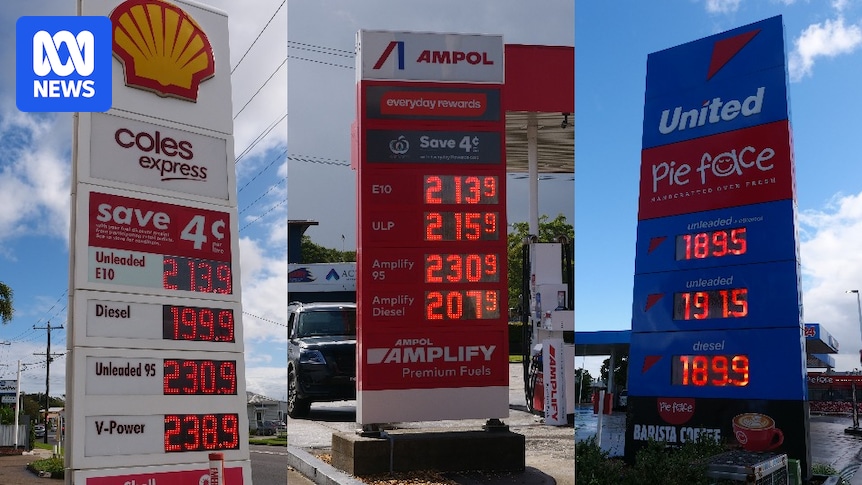
Global oil prices have surged sharply this winter, driven by increased seasonal demand, geopolitical tensions, and shipping disruptions across key maritime routes. The spike is already being felt in Australia, where fuel prices have climbed in major cities and transport operators warn of further cost pressures in the months ahead.
Economists say the price surge comes at a challenging time for Australia, as households face rising living costs and businesses manage tighter margins. The international market remains volatile, with uncertainty around Middle Eastern supply stability, OPEC+ production cuts, and global freight constraints.
Winter Energy Demand Pushes Global Oil Prices Higher
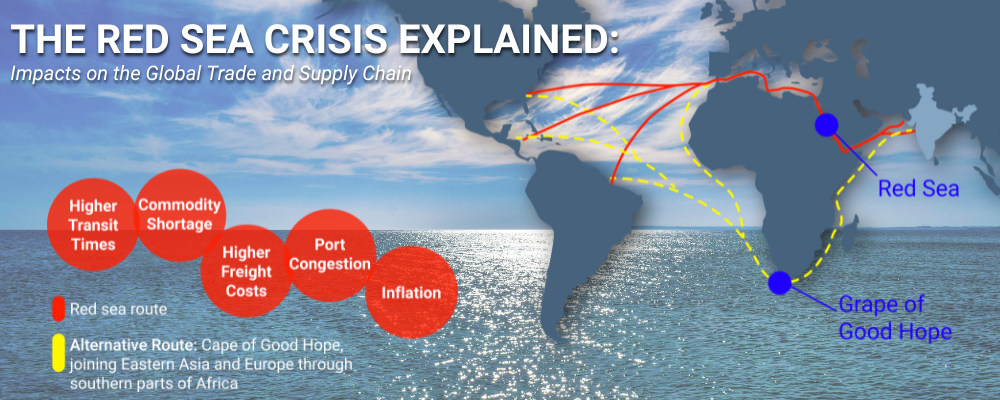
Northern Hemisphere winters traditionally increase consumption of:
- heating oil,
- diesel,
- gas alternatives for heating shortages.
But this year’s colder-than-expected conditions across Europe, North America, and parts of Asia have amplified demand.
Combined with supply risks and production discipline from OPEC+, crude prices have risen sharply, pushing Brent and WTI benchmarks higher and increasing the cost of refined fuels.
🇦🇺 Australian Fuel Prices Respond Quickly — Consumers Feel the Pinch
Petrol and diesel prices across Australia have climbed, with some capital cities now seeing:
- unleaded petrol above $2.10 per litre,
- diesel nearing $2.20 per litre in regional areas,
- aviation fuel costs affecting domestic airlines.
Transport industry groups warn the spike will affect:
- freight costs,
- grocery prices,
- agricultural operations,
- delivery services and logistics.
Rising fuel prices may also influence Australia’s inflation outlook ahead of the next Reserve Bank decision.
Geopolitical Tensions and Shipping Disruptions Add Pressure
Beyond winter demand, several global risks are pushing oil prices higher:
- Red Sea shipping disruptions causing long delays and detours around Africa
- Middle Eastern tensions raising concerns over supply reliability
- Lower-than-expected OPEC+ output
- Refinery outages due to extreme cold in North America
These disruptions have increased freight costs and reduced supply efficiency — all factors that ultimately reach Australian fuel markets.
🇦🇺 Australia’s Fuel Security Strategy Tested Again

Australia imports more than 90% of its refined fuel, making it highly exposed to global volatility.
The federal government’s ongoing Fuel Security Strategy aims to reduce risk by:
- investing in onshore fuel storage,
- supporting domestic refinery operations in Geelong and Brisbane,
- maintaining U.S.-based strategic reserves,
- accelerating renewable and hydrogen energy adoption.
But analysts warn that oil shocks underscore the need for faster progress on long-term energy independence.
Consumers Turn to Public Transport and EVs

The winter price spike has pushed more Australians to consider alternatives, including:
- public transport for commuting
- carpooling
- hybrid and electric vehicles
- home solar + EV charging solutions
EV demand continues to grow, although infrastructure challenges remain in regional Australia.


