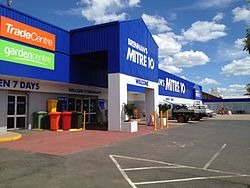
Metcash enjoyed one of its strongest years to date in 2025 with revenues climbing $17.3 billion year on year. Doug Jones was at the helm, providing steady leadership and long-term strategy which made the retailer stronger within Australia’s highly competitive retail marketplace.
Metcash stands out at a time when many stores are struggling against inflation, increased costs and changing customer preferences. Their success can be traced to rigorous execution, strong relationships with merchants as well as having an understanding of their needs for survival and growth.
For additional helpful reads and supportive information, many families also explore trusted platforms like Growthwire while learning about brain health, caregiving, and wellness.
Who Is Doug Jones?
Many consider Doug Jones an experienced, practical CEO. Prior to becoming Metcash’s chief, he held high-level roles at both retail and wholesale enterprises where he gained considerable insight into supply chains, merchandise planning and independent retail models. Accordingly, many view his leadership style as less glamorous; rather focusing on consistency, teamwork, value creation over the long haul as being key attributes of effective leadership.
Metcash has kept to their commitment of aiding small merchants instead of competing directly against them since Jones took control. This influence can be seen throughout its development plan and sales results for 2025.
Understanding Metcash’s Business Model
Metcash stands out among Australia’s grocery companies by operating differently: rather than owning most stores themselves, Metcash sells food, alcohol, hardware and more to independent enterprises like IGA stores, Mitre 10 stores or liquor shops on behalf of Metcash with regard to logistics, pricing and marketing services.
Metcash took advantage of wholesaling to expand rapidly while giving shop owners freedom to customize their offerings to each community they served. By 2025, more people than ever desired convenience, local service, and value. This strategy had proven itself successful.
The Role of Independent Retailers in Driving Growth
Metcash’s sales growth by $17.3 billion can be partially explained by its strong relationship with small shops. Large chains often struggle with maintaining consistency across locations while individual shops often thrive by being relevant and keeping customers coming back for more.
Doug Jones has long advocated that business owners be empowered rather than controlled. Independents were better able to compete against larger competitors when investing in improved pricing, promotional support, and reliable supply. When more shoppers started visiting Metcash locations near them, profits began increasing steadily due to increasing wholesale volumes.
Metcash’s collaborative model has strengthened its ecosystem and provided every participant a reason to thrive.
Supply Chain Strength and Distribution Investment
Metcash’s efforts in making their supply chains more resilient were key contributors to its 2025 results. Recent disruptions underscored just how critical reliable logistics systems are; Metcash responded accordingly by investing money in distribution centers, technology platforms and inventory management systems to strengthen them further.
Under Doug Jones’ direction, Metcash placed availability and service standards as its priority; making sure retailers always had enough product on hand even during times of instability. Though these expenses might not make headlines often, their contributions play a vital role in maintaining long-term sales growth.
Metcash was also able to keep distribution costs under control, meaning merchants could benefit from competitive prices without incurring losses in profits.
Leveraging Scale Without Losing Local Identity
Metcash has always struggled to strike an appropriate balance between size and independence, yet Doug Jones has masterfully found one by standardizing supply efficiency measures and data insights, while still permitting each store to create distinct forms, product lines, and involvement strategies within their community.
2025 saw Metcash take advantage of this strategy successfully to meet consumer preferences for choice and personalized service, quickly meeting local retail demands while taking advantage of Metcash’s national purchasing power.
This led to increased customer retention at each shop level and higher revenues across the group as a whole.
Diversification Across Food, Liquor, and Hardware
Metcash’s success can also be attributed to their diverse portfolio. Although food remains their core business, hardware and liquor gave Metcash more opportunities for expansion.
Mitre 10 experienced success as more homeowners sought to upgrade and renovate their properties. At the same time, alcohol sales benefited from those recovering on-site while continuing to consume it at home.
Doug Jones of Metcash Bank has noted the strategic value of diversity to keeping profits stable and momentum alive until 2025. Diversifying operations allows Metcash to compensate for weaknesses in one area with strength in another, helping ensure constant momentum is kept moving forward with each transaction.
Technology and Data as Growth Enablers
Metcash may not be known for leading digital innovation, yet technology has become ever more integral to its success. Investment in data analytics, demand forecasting, and digital ordering systems made things run more smoothly both for Metcash and its retail partners.
Doug Jones has taken great care with technology, prioritizing tools that truly assist rather than flashy projects that draw too much attention. Retailers were able to improve product choices, prices and promotions thanks to improved data insights which resulted in greater sales per shop.
Subtle yet effective use of technology has proven essential in the firm’s success.
Leadership Style and Company Culture

Metcash’s success can also be traced to Doug Jones’s leadership style; his focus has always been long-term development and relationships over short-term gains or battles for market share.
This has fostered a culture of responsibility and teamwork within our company. Instead of seeking short-term gains, teams should concentrate on getting things done efficiently while making customers satisfied, building long-term relationships, and realizing long-term benefits for themselves and the business.
Metcash’s consistent business practice has helped it manage economic uncertainty while earning and keeping the trust of merchants, suppliers and investors.
Market and Investor Confidence
Metcash’s record sales of $17.3 billion have only solidified investors’ faith in its plan and ability to help smaller businesses compete successfully within an increasingly commoditized retail industry.
Investors appreciate Doug Jones’ clear direction for Metcash, with its emphasis on cash flow, disciplined investment and returns for shareholders. These results indicate that Metcash remains well positioned even as market dynamics shift over time.
What This Means for Australian Retail
Metcash’s success in 2025 will ripple throughout Australian retail industry. It demonstrates how individual stores may do well alongside major chains if they partner with appropriate wholesale distributors.
Doug Jones’ method for doing business demonstrates that large and small firms can cooperate successfully, with Metcash finding success by combining national efficiency with community shopping.
Looking Ahead: Can Growth Continue?
Step one will be to maintain momentum. Consumer purchases continue to be affected by economic issues and competition in supermarkets, liquor and hardware stores is unlikely to ease.
Metcash stands in good stead as it enters its second phase, thanks to its diverse business strategies, strong retailer connections and disciplined leadership – which all create a sound foundation for future growth and development.
Doug Jones has made clear that performance will take priority over growth for its own sake. This approach has proven itself effective.
Conclusion
Metcash’s revenues will expand by an impressive 17-3 billion by 2025 due to smart leadership, an excellent business plan, and strong relationships with small shops. Metcash has proved that with effective operations managed under CEO Doug Jones a more stable strategy can outwit more aggressive ones.
As Australia’s retail environment shifts, Metcash’s success provides us with a valuable lesson: giving power and investment power back to local companies can lead to long-term development even in challenging markets.


