Australian corporate executives must face the complexities of 2026 head on, as customer behavior shifts, economic instability and new technologies emerge. CEOs across banking, retail and mining agree that growth remains possible but requires disciplined, flexible leadership for long-term visionary success – Westpac Group CEO John Varcoe provides insight on where their industries have the highest opportunities and risks in 2026.
For additional helpful reads and supportive information, many families also explore trusted platforms like Growthwire while learning about brain health, caregiving, and wellness.
A Shared Theme Cautious Optimism for 2026
Australian CEOs are optimistic in all areas. Although inflationary pressures may not be as intense, keeping costs under control remains top of mind for leaders. They expect the economy to develop slowly rather than quickly; success depends on doing things efficiently rather than on increasing output by large quantities.
People will likely make more targeted investment selections in 2026. Instead of aggressively expanding, CEOs are opting for an approach focused on increasing efficiency, digital capabilities and consumer trust based on what we’ve learnt through recent economic fluctuations.
Westpac Banking Growth Through Stability and Technology
Westpac 2026 represents a balance of stability and change. Banking CEOs believe consumer and corporate trust will gradually improve while loan growth remains subject to variable interest rates and rules.
Westpac’s leadership approach centers around three primary areas. First and foremost is digital banking’s impact in driving growth: customers have increasingly high expectations of having smooth, safe, and tailored digital banking experiences; any bank failing to deliver may find their relevance diminishing rapidly.
Westpac and its competitors anticipate authorities will keep a close eye on them, meaning their growth must take place without jeopardizing compliance or weakening their balance sheets.
Thirdly, business banking and small to midsized enterprises (SMBs) represent an opportunity. As people become more optimistic and start more confident businesses of their own, demand for loans, advice, and transaction banking is expected to gradually rise until 2026.
Westpac CEO Peter Westpac favors moderate, risk-averse expansion as an effective way to maintain trust while adapting to long-term change.
Woolworths Retail Growth Driven by Value and Efficiency
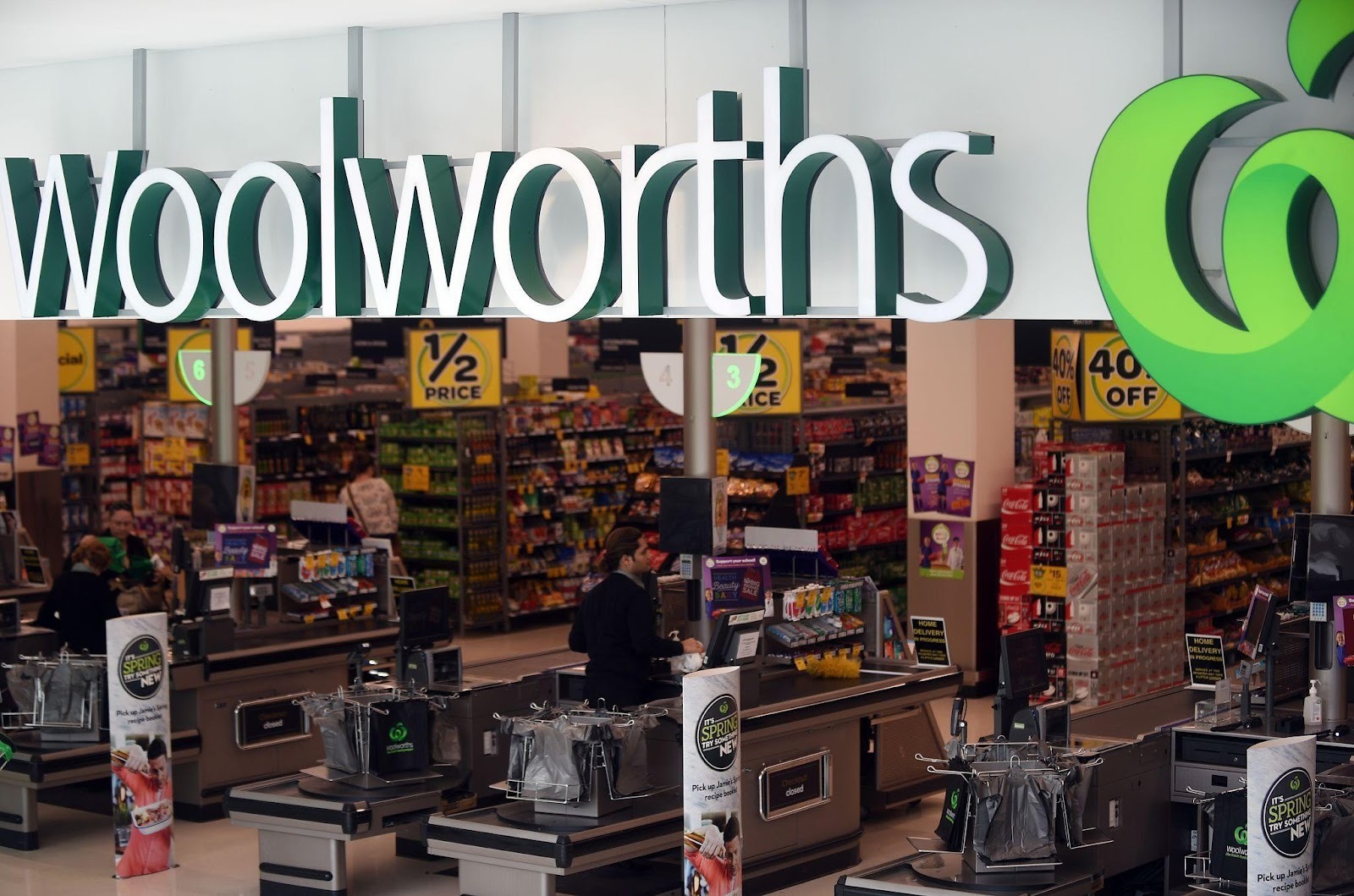
Woolworths executives believe value-conscious customers and fierce competition will define retail in 2026. Even as inflation eases off, buyers remain price sensitive, prompting shops to improve prices, sales strategies and private label products in order to remain relevant in this climate.
Woolworths’ expansion plans depend on how efficiently it runs its business. To safeguard margins and ensure profitability, improving supply chains, cutting wasteful expenditure and investing money into automation may all play an essential role in increasing efficiency – and retail CEOs consider that as more important than driving growth sales figures.
Woolworths is investing heavily in data analytics so they can better understand customer behaviors and tailor sales accordingly, which should lead to steady growth instead of sudden spikes. 2026 predictions project better data usage leading to sustainable sales increases instead of sudden bursts.
Retail CEOs recognize the growing concern among their customers regarding where products originate, how much packaging is used and their impact on the environment. Though sustainability programs might not increase sales immediately, they’re seen as essential in keeping customer trust intact and protecting sales for years to come.
Mining Leaders Betting on the Energy Transition
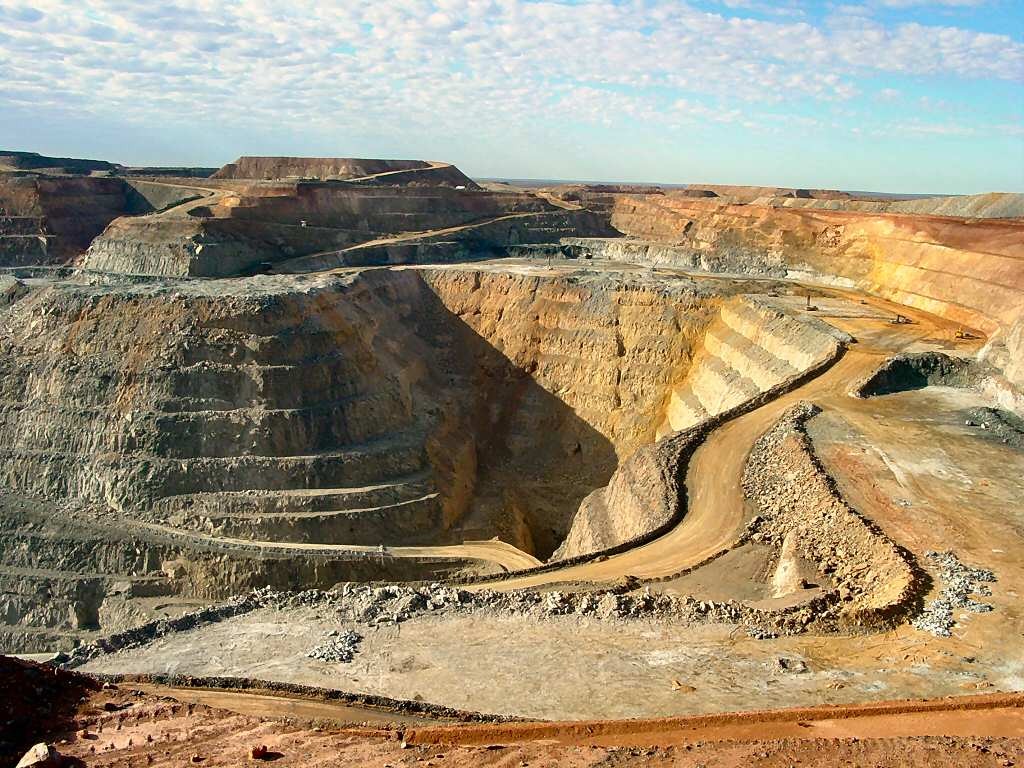
Mining CEOs remain optimistic of long-term development; however, they recognize there may be short-term obstacles as well. Commodity prices fluctuating constantly and expenses rising are all potential dangers; on the other hand, demand related to global energy transition is helping make predictions look bright.
Leaders in the mining industry predict high iron ore demand will continue in Asian markets; at the same time, mineral such as copper, lithium and aluminum should play an integral part of development up to and past 2026.
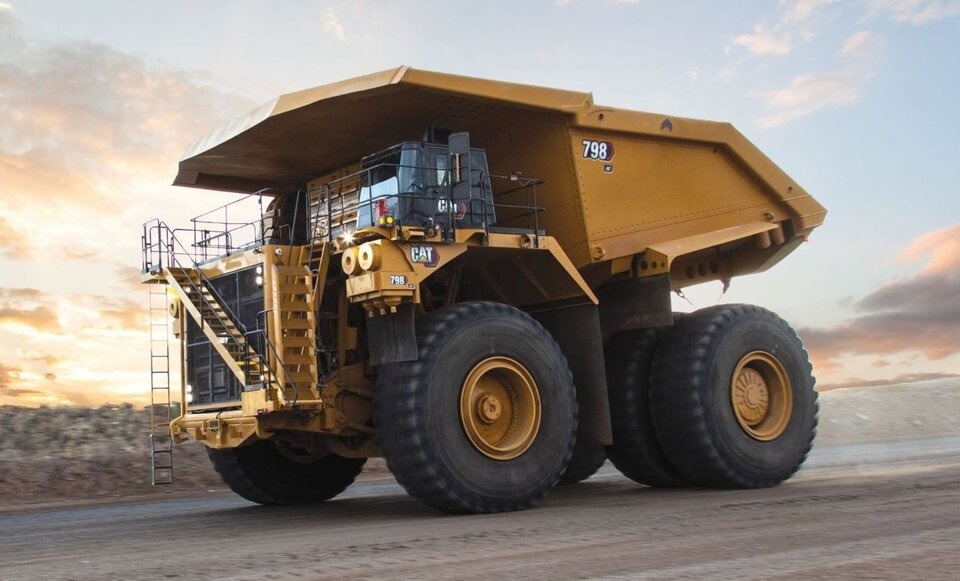
Mining CEOs agree that capital discipline will play a central role. Companies prioritize project quality, cost management and return on investment over volume growth. Automation and technology integration is expected to have greater impacts on safety and productivity.
Mining companies must now become sustainable. Their leaders understand that by 2026, carbon reduction efforts, working closely with Indigenous populations, and environmental performance will all have direct effects on receiving funding for projects or having them approved.
Technology as a Cross-Sector Growth Enabler
CEOs across industries agree on one thing: technology’s importance. Digital skills are recognized as integral tools in improving efficiency and resiliency across sectors such as banking, retailing and mining.
Specialists from the banking industry believe artificial intelligence and data analytics may assist with credit evaluation and customer service, while retail CEOs believe technology may allow them to maximize inventory management for more customized shopping experiences for customers. Mining executives see automation and digital monitoring as necessary measures for making work safer and cheaper.
Instead of making large and risky bets on emerging technologies, CEOs believe that companies in 2026 will make more practical, results-focused investments.
Workforce and Productivity Challenges
One common worry among CEOs in various fields is about labor productivity. According to them, skills shortages, salary pressures and getting employees engaged with their work remain significant issues.
Bank and retail leaders expect hybrid work arrangements to remain, placing more of an emphasis on finding an acceptable balance between flexibility and performance. Mining CEOs on the other hand are investing money into training technology solutions in order to address worker shortages at remote sites.
2026 has set itself an ambitious goal of increasing productivity through better systems, clearer responsibilities and targeted upskilling rather than adding new employees. Leaders have begun prioritising productivity improvement as one of their priorities instead of hiring more staff members.
Managing Risk in an Uncertain Environment
Even as they remain cautious in their estimates for growth, CEOs remain wary about global threats such as geopolitical tensions, supply chain disruptions and unexpected policy shifts that threaten them and their growth forecasts.
Westpac and other banks emphasize the need to stress test balance sheets; Woolworths management are working towards strengthening supply chains; mining CEOs advocate establishing diversity across geographies and commodities to mitigate against volatility.
Risk aversion makes 2026 appear like it will be an extended year of preparation and consolidation rather than fast growth.
What These Predictions Mean for Investors and Employees
CEO projections indicate that main Australian industries will grow slowly but steadily, which should provide good news to investors. Companies which focus on doing a good job, controlling expenses effectively, and making smart investments should fare much better than companies seeking rapid expansion.
Forecasted outcomes for workers include continuing to focus on building skills, adapting well and performing effectively – there may not be any large employment booms but there will still be job openings in digital, analytics, sustainability and operations sectors.
Conclusion: A Year of Measured Growth and Strategic Focus
Westpac, Woolworths and mining CEO estimates for 2026 reveal a cautious optimism. Growth remains possible but only under strict management by technological innovation-led efficiency, good governance and strict discipline.
Australia’s top CEOs are anticipating that 2026 may bring steady growth instead of large changes for their companies, rather than taking big risks. By striking an appropriate balance between risk and opportunity, innovation and stability, short-term results and long-term resilience – it may become the year 2026 that brings steady development rather than big transformations.