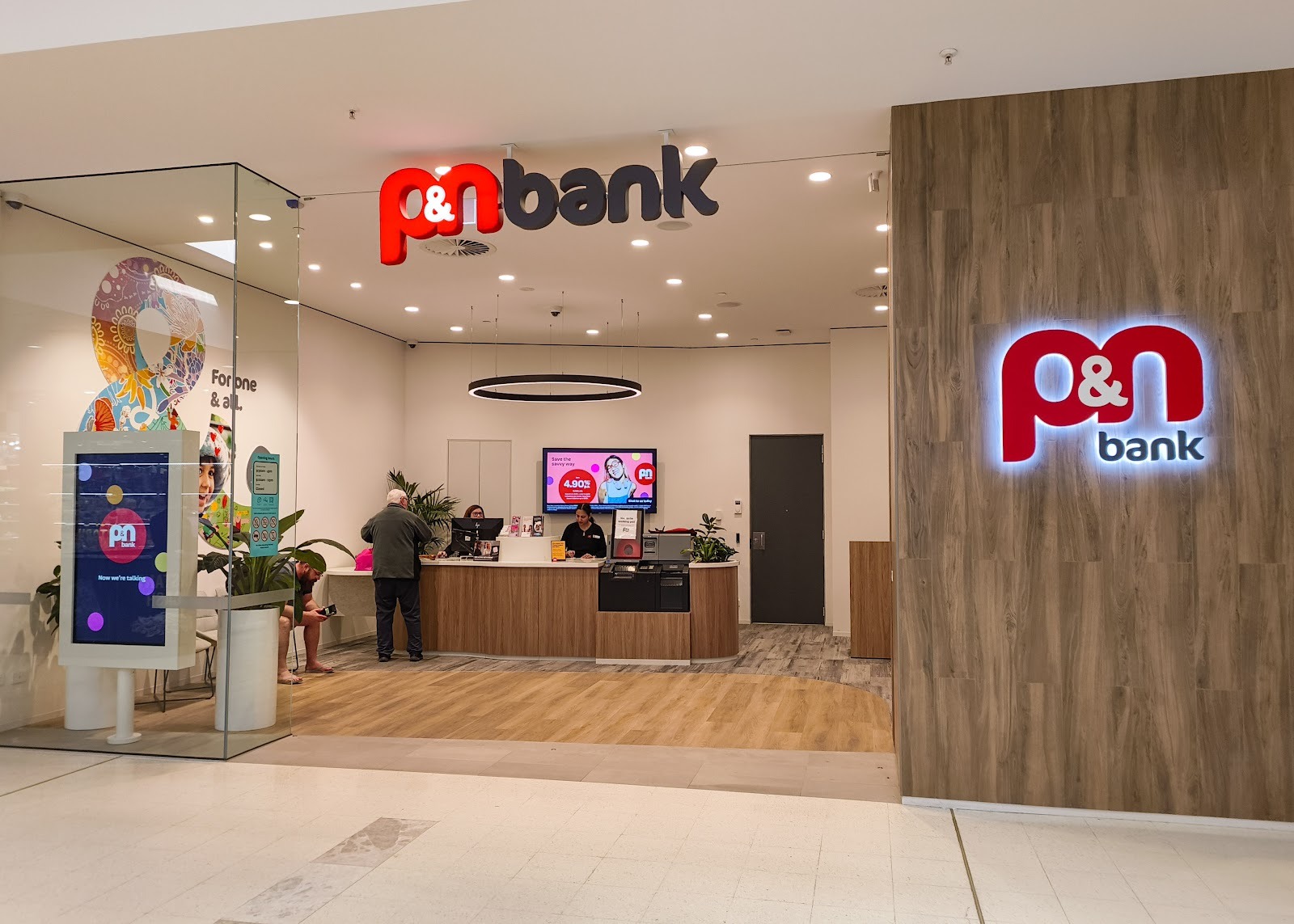
After talks between Great Southern Bank and P&N Bank about a merger were officially called off, Australia’s mutual banking sector had to rethink its chances of merging. The proposed combination, which would have made a bigger and more competitive customer-owned bank, finally fell through. This shows how hard it is to merge banks in Australia’s highly regulated financial system.
Both banks stressed that the conversations were held in good faith, but the fact that they fell through shows how strategic, cultural, and legal issues are still getting in the way of mergers between mutual and regional banks.

What the Proposed Merger Was About
People thought that the possible merger between Great Southern Bank and P&N Bank would be a smart way to make both banks bigger and more competitive. Australia’s big banks and fast-growing digital competitors are putting more and more pressure on mutual banks. This makes size and efficiency more vital than ever.
If the deal had gone through, the two companies would have had a lot more customers, a bigger balance sheet, and a bigger geographic reach. The merger was meant to provide members with more money to invest in technology, lower operational expenses, and make their products better.
For a lot of people, the proposal was a logical step in the slow merging of Australia’s mutual banking sector.
Why the Merger Talks Collapsed
Neither bank gave any specific reasons why the deal fell through, although there are a number of common reasons that come up in talks about merging banks. Negotiations are often harder because of differences in long-term strategy, governance structure, and member goals.
Cultural alignment is very crucial for banks that are owned by their customers. Mutual banks have to balance the interests of their members with their own financial performance, which is different from shareholder-driven banks. Even modest differences in ideals or vision can cause a deal to fall through.
Regulatory complexity is also a big factor. When banks in Australia merge, they have to carefully follow prudential regulations, capital requirements, and the process for getting member approval. Any doubt about how regulations will turn out might greatly raise the level of risk.
Strategic Implications for Great Southern Bank
The collapse of merger talks doesn’t imply that Great Southern Bank is giving up on its plans to grow. The bank has always presented itself as a powerful, independent mutual with a presence across the country.
Great Southern Bank will probably keep focusing on organic development, getting new customers, and improving its digital capabilities if it doesn’t merge. Customers are expecting online banking experiences that are just as smooth as those offered by bigger banks, and investing in technology is still important.
The bank may also be more open to future partnerships or acquisitions that fit better with its strategy and culture because the deal fell through.
What This Means for P&N Bank
P&N Bank, which has significant ties to Western Australia, also has to make strategic choices now that discussions have broken down. It has to find a compromise between keeping its local character and competing on a large scale, like many other mutual banks.
The bank can now focus on serving its core members while also making smart investments in new technology and services. If market conditions change, P&N could also look at merging with other institutions that share its goals.
The bank has made it clear that its financial situation is steady and that customers will still be able to do business as usual.
Impact on Customers and Members
The immediate effects of the merger’s collapse on clients of both banks are small. The services, products, and operations of the branches are still the same.
But the effects over the long run are more complicated. Mergers can lead to better digital services, a wider selection of products, and more efficient operations. If they don’t merge, mutual banks have to work harder to give these benefits on their own.
On the plus side, staying distinct lets each bank have its own brand and personalised service, which is something that many consumers value more than size.
A Broader Look at Mutual Bank Consolidation
The failure of the Great Southern–P&N transaction is part of a larger trend in Australia’s mutual banking industry. People often talk about consolidation as a way to deal with competition, yet successful mergers are not very common.
There are some problems that mutual banks have to deal with that other banks don’t. Members must approve, governance methods vary, and cultural fit is essential. These things make mergers more complicated than they are in banks owned by shareholders.
At the same time, mounting expenses of compliance and the need to invest in technology are still pushing smaller banks to work together, if not merge completely.
Regulatory and Competitive Pressures
Australia has some of the strictest rules in the world when it comes to banking. The goal of prudential requirements is to keep the economy stable, but they also make it more expensive to do business, especially for smaller banks.
Major banks are still in a lot of competition, and digital-only banks and fintechs are changing what customers expect. To stay relevant, mutual banks need to put money into mobile platforms, cybersecurity, and data analytics.
These forces make it more appealing to grow, but they also make any merger talk more serious.
Investor and Industry Reaction
The reaction of the industry to the talks falling apart has been calm, not panicked. Analysts say that while consolidation might be good, not all acquisitions add value, especially if the companies don’t have a strong strategic alignment.
If the hazards were greater than the possible profits, it could be wise to walk away. In the world of mutual banking, it’s very important to defend the interests of members, and boards are supposed to be careful.
The episode makes the point that consolidation should be a way to reach a goal, not the goal itself.
What Comes Next for the Mutual Banking Sector
This merger falling through does not mean that consolidation in Australia’s mutual banking market is over. Instead, it shows how important it is to have better strategic alignment and realistic goals.
In the future, mergers may not include comprehensive integrations but instead focus on shared technology platforms, back-office collaboration, or selected purchases. Partnerships that keep their independence while making things more efficient can become more appealing.
Banks that can find a good balance between independence and innovation are likely to do well in the long run.
Lessons from the Collapsed Deal
The talks between Great Southern Bank and P&N Bank fell apart, and there are a few things to learn from that. First, size alone does not ensure success; culture and strategic congruence are as vital.
Second, being open and honest with members and regulators is very important during any transaction. Mutual banks need to be careful about what they anticipate from their customers and make sure they understand the risks and benefits.
Last but not least, patience is important. It’s a long game for banks to merge, and transactions that are rushed are more likely to fail.
Conclusion
The failure of merger talks between Great Southern Bank and P&N Bank shows how hard it may be to integrate banks, especially in the mutual sector. The deal offered possible growth and efficiency, but the differences that were not resolved turned out to be too big to get over.
Both banks are now going back to their own plans, which include serving members, investing in technology, and dealing with a competitive and regulated market. For the banking industry as a whole, this event shows that successful mergers need more than just strategic rationale; they also need trust, alignment, and a common vision for the future.
Consolidation will still be on the table as Australia’s financial system changes. But as this story indicates, not every deal will work out, and sometimes the best thing to do is to walk away.