Australia’s transport and logistics industry has reached a new level with the purchase of Ron Crouch Transport. The family-run business has a new owner after more than 50 years in business. This means that a well-known regional logistics brand will go on at a time when many long-established transport companies are going out of business.
The acquisition doesn’t mean the end of an era; instead, it means continuity, stability, and rejuvenation. It shows that when done wisely, consolidation may protect legacy businesses while making their future stronger in a very competitive field.
A 50-Year Legacy in Australian Transport
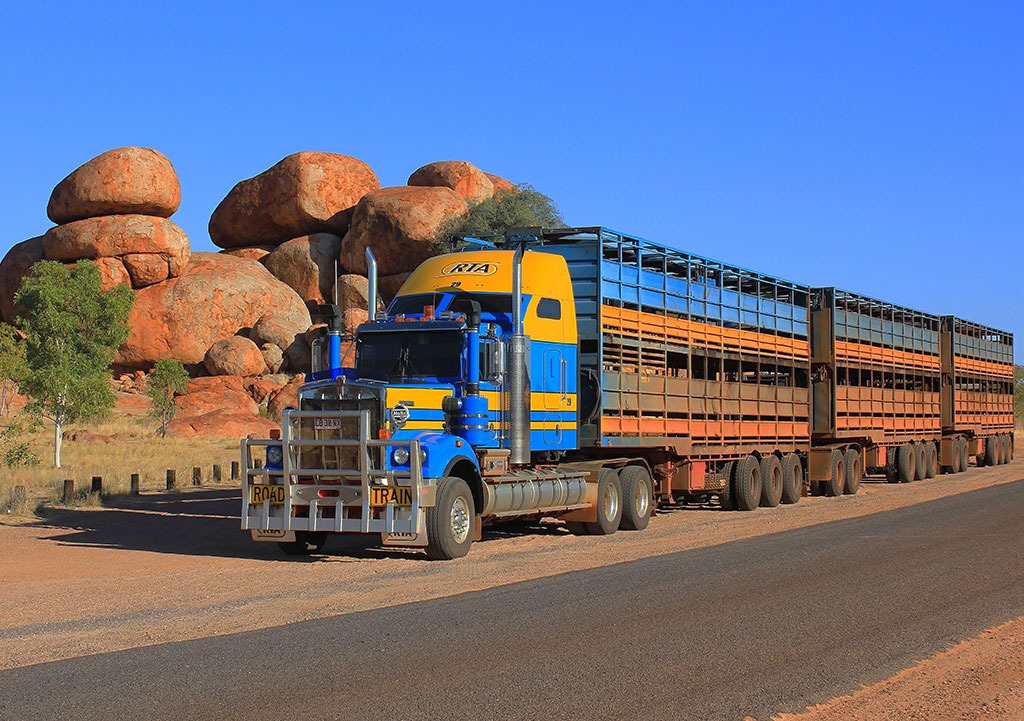
For more than 50 years, Ron Crouch Transport has been a well-known name in Australian logistics. The company started out as a family business and built its name on being reliable, having excellent relationships with customers, and knowing a lot about area freight routes.
Like many long-time transportation companies, Ron Crouch Transport grew slowly over time. It focused on providing reliable service, signing long-term contracts, and building strong relationships with customers in agriculture, manufacturing, and retail supply chains.
This consistent strategy helped the business get through many economic cycles, but the logistics world today is far more demanding than it was in the past.
Why the Acquisition Became Necessary
The logistics industry in Australia has changed a lot. Smaller and mid-sized companies are under a lot of stress because fuel prices are going up, insurance costs are going up, there aren’t enough drivers, and compliance standards are getting stricter.
Planning for the future has become a big problem for family-run transportation businesses. The following generation may not always want or be able to take on the financial and operational responsibilities of running a transport business when the founders retire.
These facts are shown by the purchase of Ron Crouch Transport. The owners chose a course that would keep the brand alive, protect jobs, and keep consumers getting the same level of service, instead of shutting down operations or selling off assets piece by piece.
Who the Buyer Is and Their Strategic Intent
People typically worry that acquisitions will lead to cost-cutting or rebranding, but this deal is being sold as a long-term investment in a well-established logistics business. The organisation that bought Ron Crouch Transport knew how valuable its reputation, customer base, and regional knowledge were.
The buyer’s plan is to integrate and support the business instead of tearing it down. This includes access to financing, investments in a new fleet, upgrades to technology, and a larger operational scale—benefits that are becoming harder and harder for independent operators to get.
The focus on keeping the brand alive shows that people believe in its past and future value in the market.
Preserving Jobs and Regional Capability
Preserving jobs is one of the largest things to come out of the deal. Companies in the transportation sector are among the largest employers in regional Australia, and when they go out of business it can have a heavy local economic toll.
The acquisition keeps the lights on at Ron Crouch Transport, which means that its experienced drivers, mechanics and office staff will remain with the company. Their local knowledge and decades of relationships with customers are valuable advantages that are tough to simply replace.
The contract provides peace of mind to area residents that crucial logistics services would not be disrupted.
What This Means for Customers
Continuity is very important for customers. Long-term logistics contracts depend on trust, dependability, and knowing what the supply chain needs.
The purchase guarantees that current clients will continue to get service under the same name, with more resources available. Better tracking technologies, more back-office assistance, and better fleet capability could all improve service quality without losing the human touch that made the business what it is.
Customers desire both efficiency and reactivity in logistics, so this balance between scale and service is becoming more and more critical.
A Sign of Broader Industry Consolidation
The acquisition of Ron Crouch Transport reflects a broader consolidation in Australia’s logistics and transportation industry. Small businesses are fighting harder to remain independent, while larger companies are looking to grow through targeted acquisitions rather than rely on organic growth.
Mergers enable logistics companies to reduce costs, invest in new technology and meet tougher regulatory standards. But it also prompts people to worry about less competition and losing their local identity.
That this deal, where maintaining the brand’s character is concerned, suggests that there is a sweet spot where consolidation doesn’t necessarily spell homogenisation.
Technology and Efficiency Gains
One of the best things about being in a bigger logistics organisation is that you can use technology. Fleet management systems, route optimisation, fuel monitoring, and digital consumer interfaces are now must-haves for staying competitive.
The acquisition gives Ron Crouch Transport the chance to modernise without losing its core business DNA. Technology may make things go more smoothly and clearly, and it can also give employees more time to focus on customer service and building relationships.
Customers are asking for more real-time visibility and faster turnaround times; these changes are quite important.
Financial Stability in a Volatile Sector
The transportation and logistics industry needs a lot of money. You need a continuous cash flow and access to credit to pay for vehicles, maintenance, compliance, and fuel.
Ron Crouch Transport is more financially stable now that the company has new owners. This stability lowers the chance of problems during times of economic downturn or cost fluctuation.
A better balance sheet also makes suppliers and partners more confident in long-term ties.
What It Means for Family-Owned Businesses
The purchase teaches other family-owned transportation and logistics companies a crucial lesson. Selling doesn’t have to mean losing who you are or what you’ve done.
When done right, acquisitions can give founders a way out while making sure the business they established keeps running and serving its community. To make this work, you need to communicate clearly, respect one another’s cultures, and agree on ideals.
Ron Crouch Transport’s experience indicates that you may deal with succession problems without losing years of hard work and good reputation.
Industry and Market Reaction
Most of the time, the industry has reacted positively to the purchase. A lot of people think it’s a good and practical solution for an industry that is always under pressure to cut costs and follow rules.
The bargain is not a collapse or shutdown; it is an adaptation. It shows how logistics companies may change while still providing the same service to consumers and staff.
Market watchers say that similar deals are likely to happen as more businesses look for partners or purchasers who can help them stay in business for a long time.
Challenges Ahead
The acquisition brings stability, yet there are still problems to solve. It takes careful management to combine systems, coordinate cultures, and keep service standards high during times of change.
There are also bigger problems to deal with, like changing fuel prices, emissions rules, and a lack of workers. How well the new owners combine investment, efficiency, and human management will determine how well they do.
Keeping the brand alive is just the first step; keeping its promise will decide how well it does in the long run.
Conclusion
The purchase of Ron Crouch Transport is a good illustration of how consolidation can keep, not destroy, Australia’s family-owned logistics companies. The brand is still doing strong after 50 years, now with new owners who have more resources, capital, and skills.
The contract gives employees, consumers, and people in the area a sense of stability and trust. For the logistics industry as a whole, it shows a way to move forward that is good for the environment, people, and performance.
The fact that Ron Crouch Transport is still in business shows that heritage is still important in an industry that is changing quickly. With the correct strategy, long-established Australian businesses can keep moving the country ahead.