
Japan, once seen as a global pioneer in clean-energy technology, is facing growing criticism for falling behind in international climate leadership. As the world accelerates toward net-zero targets, analysts say Japan’s climate influence has weakened — but a new partnership opportunity is emerging, and Australia is positioned to play a decisive role in helping rebuild Japan’s green credentials.
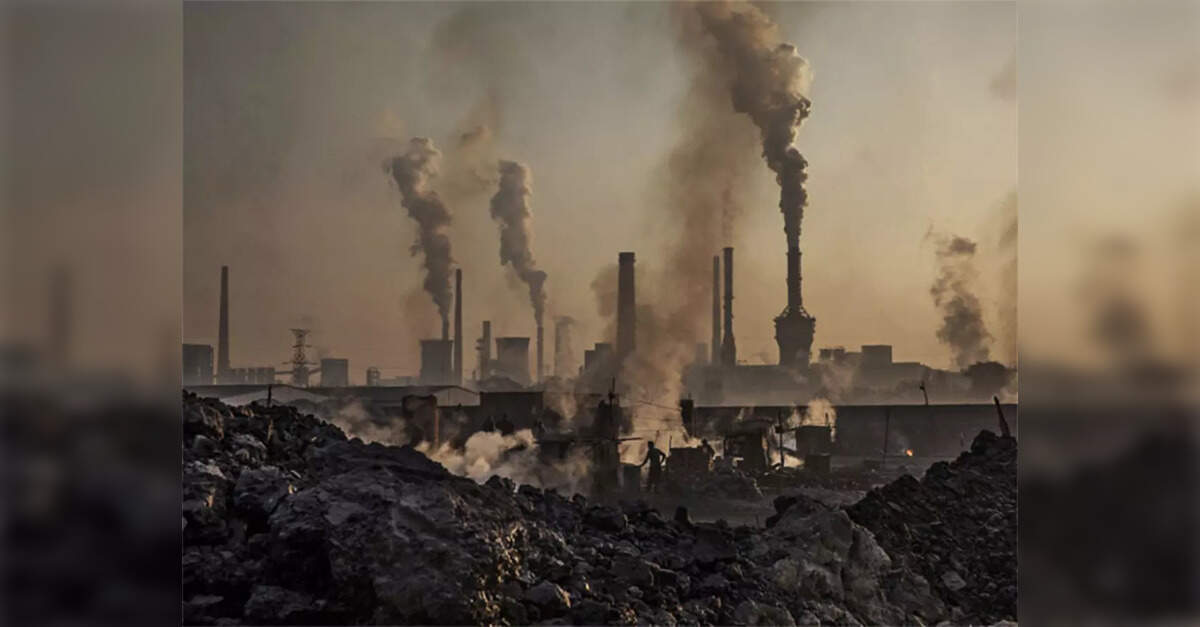
For decades, Japan was celebrated for its innovation in efficient vehicles, low-carbon electronics and early investment in renewable technologies. But since the Fukushima disaster in 2011, the country has struggled to balance energy security with decarbonisation. A renewed dependence on coal and imported fossil fuels, combined with slow action on transitioning to renewables, has allowed regional competitors such as China and South Korea to take the lead in areas once dominated by Japan.
Why Japan’s Climate Leadership Declined

Experts point to three key reasons behind Japan’s climate slowdown:
1. Post-Fukushima reliance on fossil fuels
After nuclear reactors were shut down nationwide, Japan turned to coal and gas to stabilise its grid. This shift significantly slowed its emissions-reduction progress.
2. Lagging investment in renewables
Despite strong innovation capacity, Japan’s solar and wind growth has not kept pace with other major economies. Limited land space and regulatory hurdles have further slowed expansion.
3. Conservative corporate strategies
Major Japanese companies have been slower to adopt aggressive net-zero plans compared to international competitors, weakening the country’s overall climate influence.
As a result, Japan is no longer viewed as the climate champion it once was but momentum is shifting.
Why Australia Is Now Key to Japan’s Climate Revival

Australia, undergoing its own energy transformation, is emerging as a crucial partner for Japan’s clean-energy ambitions. The two nations’ economic ties, geographic proximity and shared strategic interests make this partnership more aligned than ever.
1. Australia is set to become a clean-energy export superpower
Australia’s massive solar and wind capacity places it among the world’s best-positioned countries to export clean energy especially green hydrogen, which Japan has committed to using heavily in transport, industry and power.
2. Japan is already one of Australia’s biggest customers
Japan relies heavily on Australia for LNG, minerals and critical resources. This existing trade can now shift toward low-carbon exports, including ammonia, hydrogen, rare-earth minerals and renewable-powered processing.
3. Joint innovation is accelerating
Several Australian-Japanese pilot projects are underway, including:
- Hydrogen shipping trials
- Ammonia-ready power stations in Japan using Australian fuel
- Investments into Australian renewable mega-projects in WA, NT and QLD
This collaboration is giving Japan a path to reduce its fossil-fuel dependence while supporting Australia’s transition economy.
Asia-Pacific Clean Energy Leadership Is Up for Grabs

As Asian economies race to secure affordable, renewable energy, Australia’s momentum could reshape Japan’s environmental reputation. Analysts say this partnership has the potential to redefine climate leadership in the region — especially as China dominates manufacturing and South Korea competes in batteries, EVs and green steel.
If Australia succeeds in supplying Japan with large-scale renewable exports, it will not only support Japan’s emissions goals but also strengthen regional energy security and shift global clean-energy power dynamics.
A New Era of Cooperation Begins
Japan may have lost its climate leadership over the past decade, but the story is far from over. With Australia rapidly emerging as a renewable-energy powerhouse, the two countries have a unique opportunity to rebuild Japan’s credibility — while accelerating Australia’s own transition.
As global climate pressures intensify, this partnership could become one of the most important environmental alliances of the decade, shaping not just national policies but also the future energy landscape of the entire Asia-Pacific region.


